Published by Jeremy. Last Updated on September 6, 2026.
Disclaimer: Our site uses demographic data, email opt-ins, display advertising, and affiliate links. Please check out our Terms and Conditions. Pricing, operating hours, or menus may have changed since our initial visit and may not be reflected in subsequent updates. Please confirm these directly with any business prior to visiting. To see more of our content, set us as a Preferred Source in Google.
When we first published our article about 10 reasons why we love living in Pittsburgh, we naturally braced for some pushback, since some of the reasons we love the city are also things people dislike about it.
We get it, and totally fair in many cases!
A good example here of a love/hate relationship is, perhaps, the weather. We love that we have four seasons and that the climate here is relatively mild (from a global standpoint, at least). But while that is also a perk, we'd be remiss if we didn't note that the number of cloudy and/or grey days is substantial. One positive and a negative on the other side of the coin.
So in this one, we thought we'd flip that around and take a realistic look at some of the things we don't like about living in Pittsburgh for a balanced counterpoint- the weather will be included here as well.
Of course, everyone reading this should know by now that we really love living here (let's be honest- we wouldn't have started this site and lived here as long as we have if we didn't). But we are also practical by nature and are never shy about discussing faults that could be better- especially if you are considering moving here and want to know some very real downsides that are, admittedly, getting better as time goes on.
🏨 Book a Hotel in Pittsburgh
- Great Value: Drury Plaza offers excellent prices downtown.
- Good Views: Sheraton Station Square features stellar views from river-view rooms.
- Free Parking: Hampton Inn Strip District includes free parking and a great location.
🏡 Looking for an apartment rental? Find a deal on Airbnb!
Lackluster Public Transit
Save This Article!
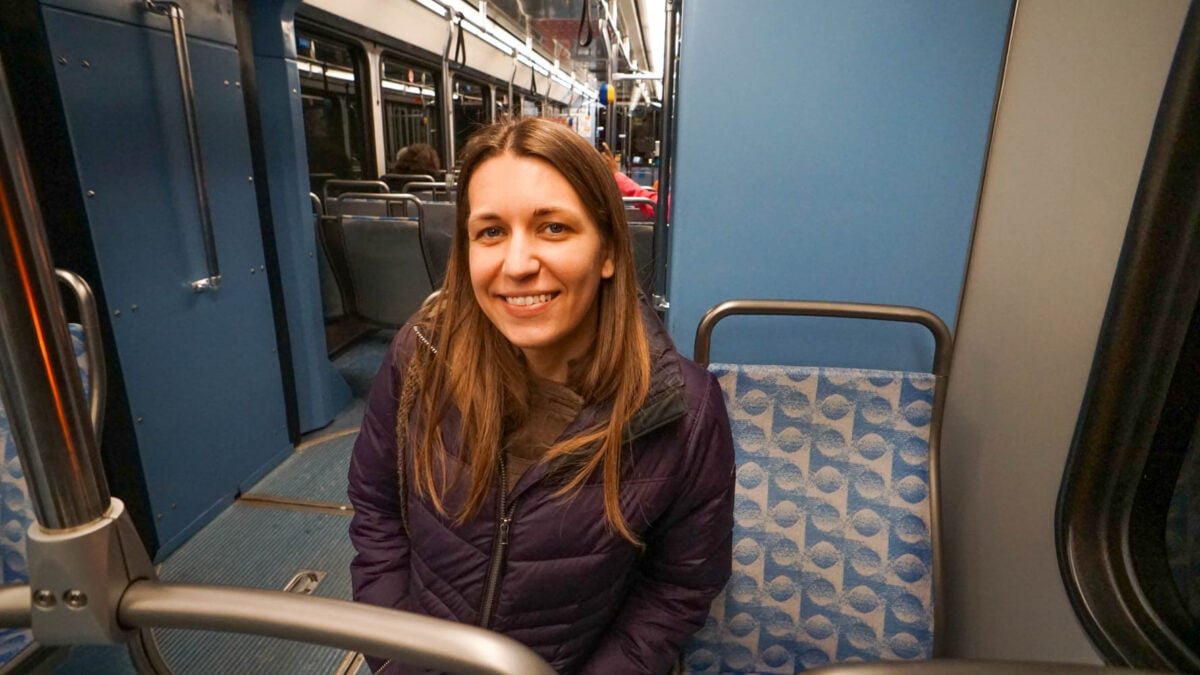
Let's kick off an already controversial post with a controversial take (because we love to go big here)- Pittsburgh's public transit is only great in some areas.
Yes, we have bus lines everywhere. Yes, we're getting more bike lanes every year. Also yes, many neighborhoods themselves are immensely walkable. But unless you have a strategic living arrangement to access that has transit amenities to go from A to B easily (such as home to work or home to favorite third spaces), odds are good you're either going to have to drive, transfer buses, and/or have to deal with infrequent service and traffic- adding on a significant amount of travel time to go even just a few miles.
We live on a bus line in the North Side, have a stop near our house that goes downtown, and despite that, we can probably count on one hand the number of times we've ridden it because service is infrequent and it is cheaper to pay to park in a PPA-operated garage on nights and weekends than it is to pay for two round-trip bus tickets. (When we lived in Squirrel Hill, and Angie commuted to CMU for school, she took it daily. As I said, it is great in some areas).
Then there is the T, our trolley line, which somehow only connects the North Shore and downtown to the South Hills. Again, it is amazing for those who live south and want to head downtown or to the North Shore, but it is less useful to most everyone else- even when factoring in that it is free to ride north of the Monongahela River. Once again, I can count on one hand the number of times I've ridden the T, because there is very little incentive to do so without living in the South Hills- I can often walk or bike to where I want to go just as fast most of the time.
Will we get better service to the airport than the infrequent 28X? An expanded T to other populated areas of the city (read: literally anywhere else)? Or just better connections/more frequent/cheaper service? It doesn't seem likely, and that's a major downside for some residents, ourselves included- you're likely going to need a car.
Grey, Overcast Skies
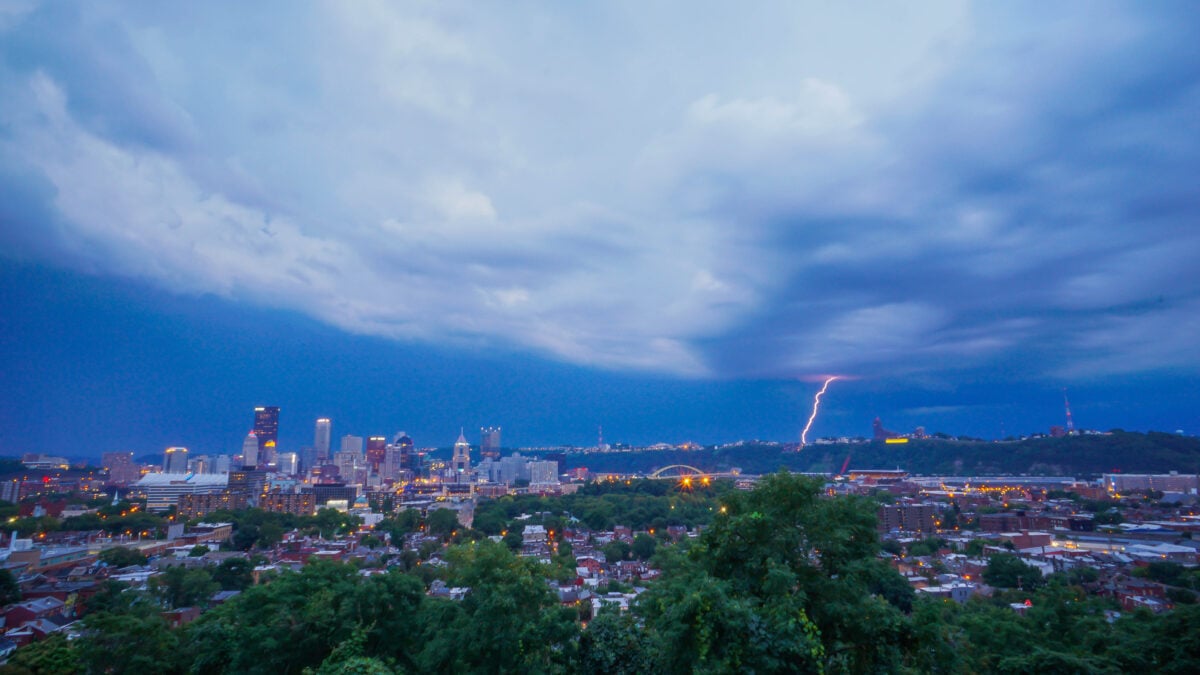
In our perks of living in Pittsburgh article, we pointed out that we love that the city is a four-season destination where we have actual winters, springs, summers, and falls most years. The climate here is pretty good, except for one big issue- it is cloudy and grey a good number of days in the year.
In fact, Pittsburgh rivals Seattle for cloudy and rainy days, which often comes as a shock to new residents of the city, as we can have long stretches of extremely grey and gloomy skies.
Sunny Florida, Pittsburgh is not.
Thankfully, Pittsburgh is also not in Florida at all, so that's truly a perk on its own. But we do have to admit, the weather can be a bummer, which is why when it is a nice day everyone seems to flock outside to enjoy beautiful weather. Blue skies are to be appreciated here!
Luxury Condos Taking Over Everywhere
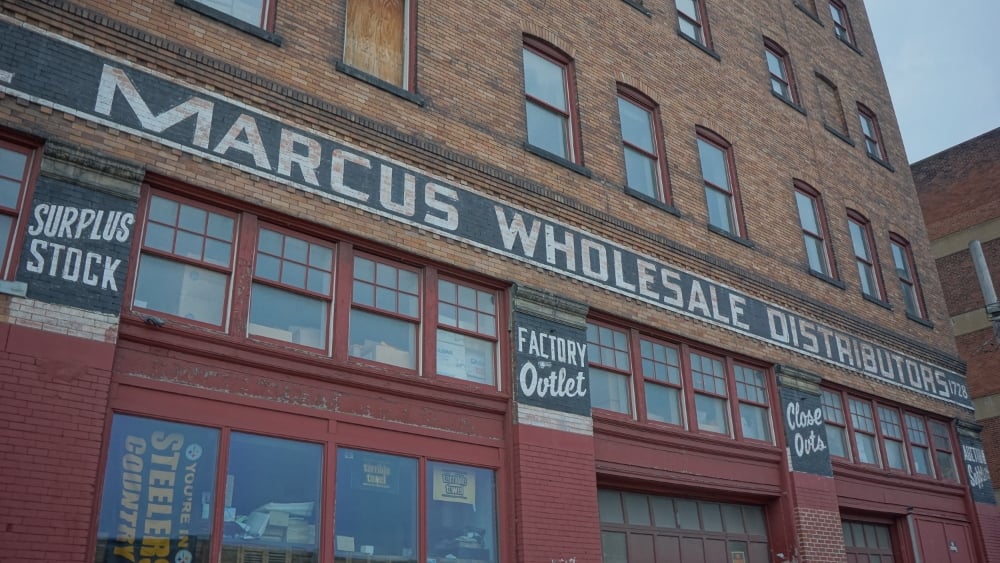
This one may be a problem in just about every major city, but luxury condos drowning out affordability is becoming a serious problem in Pittsburgh.
We could go down this rabbit hole more, but we're pretty sure we don't need further explanation for not liking luxury condos themselves.
That said, another issue we're seeing alongside this is that historic neighborhoods in Pittsburgh, like the Strip District, are also getting more and more non-local services alongside these luxury properties.
On one hand, yes, we're happy for more housing in the city, and decaying properties and/or vacant lots being converted into, well, anything is a step forward. And yes, neighborhoods that were not historically residential need services for the influx of new residents moving in. But on the other hand, does the Strip District really need a row of chain restaurants/businesses catered to luxury rowhouse tenants when the entire reason the neighborhood is popular historically is the local businesses that already sell very similar products?
We are genuinely concerned about what will happen to these neighborhoods in the next economic downturn, because one of those two classes of businesses can weather increasing rents alongside financial uncertainty, and it sure isn't the independent stores that give many of our neighborhoods their charm.
Everything Closes Early
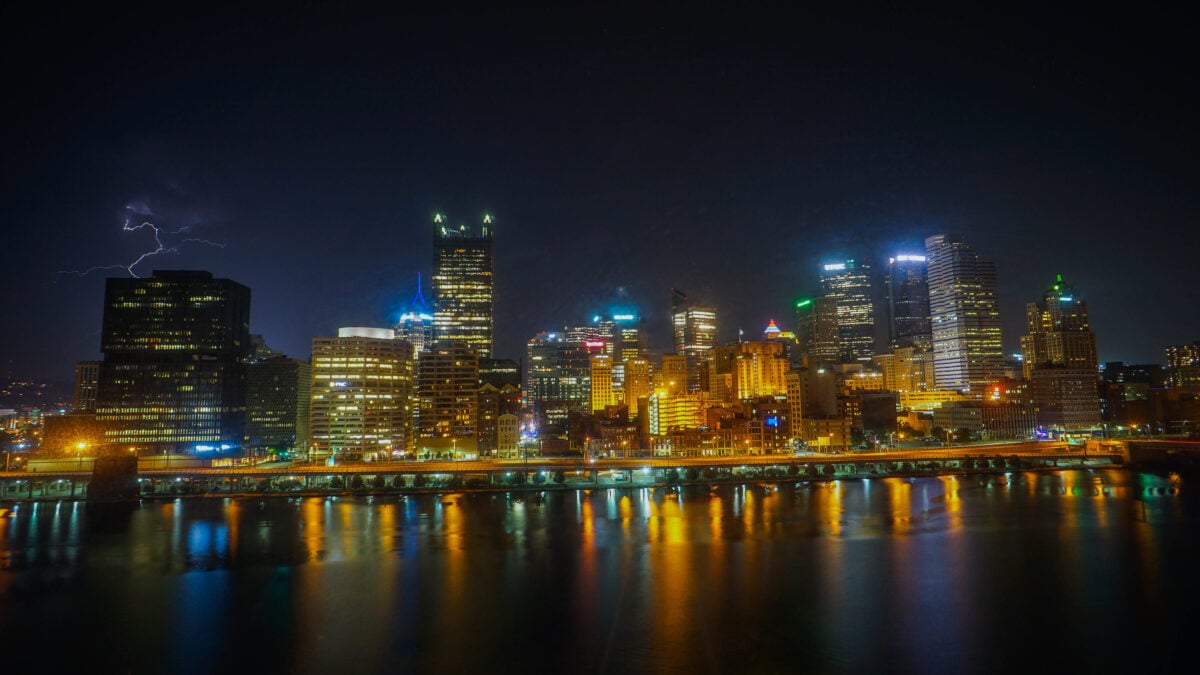
Before the pandemic, Pittsburgh had a bit of a late-night culture. We're not going to say thriving, as there are some elements that were always limiting (like bars closing at 2 am per state law). But you would find pockets of restaurants near bar districts open til 3 am, 4 am, or even 24 hours- like the original Primanti Bros. in the Strip District.
Since then, it seems like everything has scaled back considerably and now closes early, even on weekends. That bar or restaurant that used to be open til well after midnight may now close at 10 pm. Others may not even be open on select days of the week, either. The Strip District's Prmanti Bros., at the time of publishing this article at least, is no longer 24 hours (but is, admittedly, still open fairly late).
We're, personally, not night owls, so this one doesn't really impact us all too much. But we do recognize that it is a major complaint amongst a certain cross-section of residents who appreciate good nightlife or even simply work 2nd or 3rd shift and could use amenities themselves before/after work. We hope this one would have a chance of returning as the city grows, but right now, we totally understand why some want a whole lot more.
- Looking for ideas for things to do after midnight? We've got you covered. Just be warned that this list will leave you wanting more.
Flying Often Requires a Layover
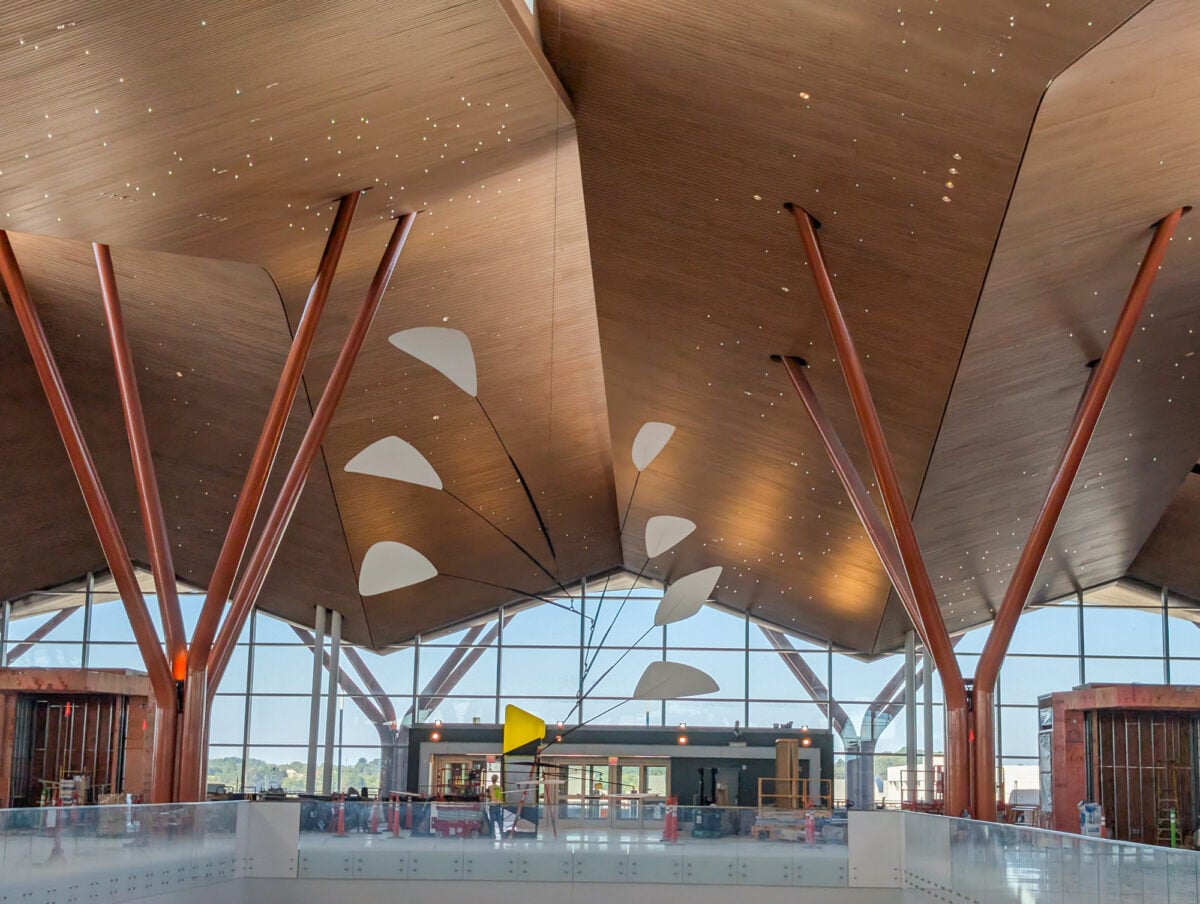
For those who travel a lot, as we do, you are likely no stranger to needing to connect to an airline hub to get to where you're going.
Much like other points on this list, we will be the first to admit that this one is getting better as time goes on. We have several great, direct international flights now, like London, Dublin, and Reykjavik. There are domestic carriers adding non-traditional routes as well (Pittsburgh to San Diego direct on Breeze, anyone?).
But we're not Chicago, or New York, or even Boston, either, and the list of direct flight options ends relatively quickly.
You may be lucky in that your primary travel destinations offer direct flights, but for us, virtually everywhere we want to travel to requires at least one, if not sometimes two, connections. This is due to Pittsburgh being a mid-sized market (and we can always drive about four hours to Washington DC if we need to access more, of course), but we can still always want a bit more flight options all the same.
We Could Utilize the Rivers Better
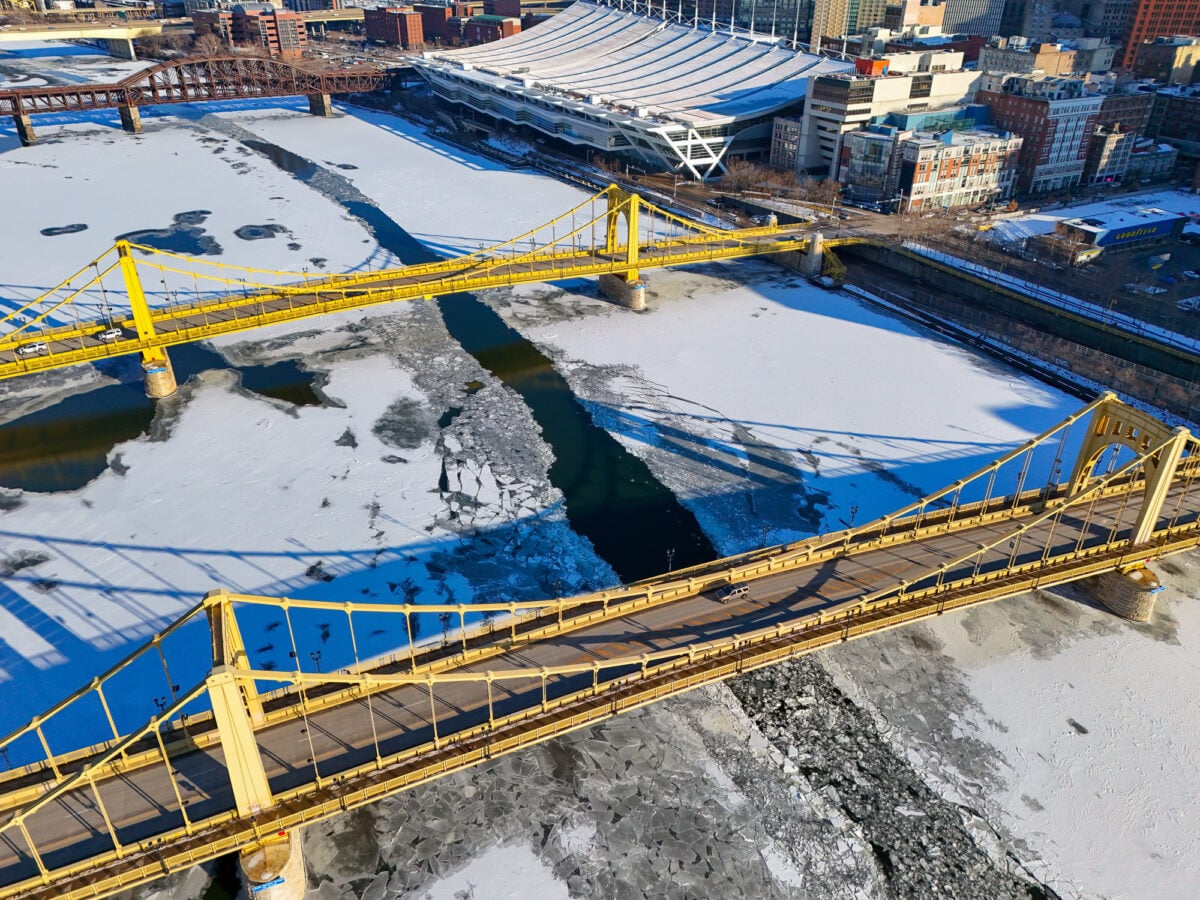
One of the best features of Pittsburgh is that we have three rivers cutting through the city. Not only does this give downtown its unique triangle shape, but they have historically been the life of the city thanks to their ability to support so many industries in the city's early days.
Nowadays, many of those early industrial needs that required river access are gone, and we hear concerns time and time again about how there is a lack of amenities for residents directly on the waterways. Friends of ours who recently moved here routinely remark, “When will Pittsburgh realize its rivers are its biggest asset?” and, honestly, that is a very fair question.
They are one of the city's best assets, and they are being underutilized significantly.
Yes, the Gateway Clipper is awesome. Yes, the Highline and Distillery Complex recently opened with a few places to hang out with views. Just as recently, Shore Thing opened up on the North Side, too. These are all great.
But apart from the bike trails (which, let's be honest, are amazing), you can likely count on one hand the other riverfront amenities available anywhere in the city outside of Point State Park. Waterfront dining? Negligible. Boat taxis/shuttles? They don't exist unless you count the Gateway Clipper on game days. Heck, we could even have food boats if we tried. Anyone want a taco or ice cream while walking along the Point? We would!
Now, we know there are a lot of challenges here with utilizing the waterways, especially because so much waterfront access was historically industrial train lines and would be a beast to repurpose to anything else. But one can dream, right? (That or we could at least have 30 Shore Things and a public boat system that ties into the public bus line in popular neighborhoods? Pretty please?)
Slow to Change
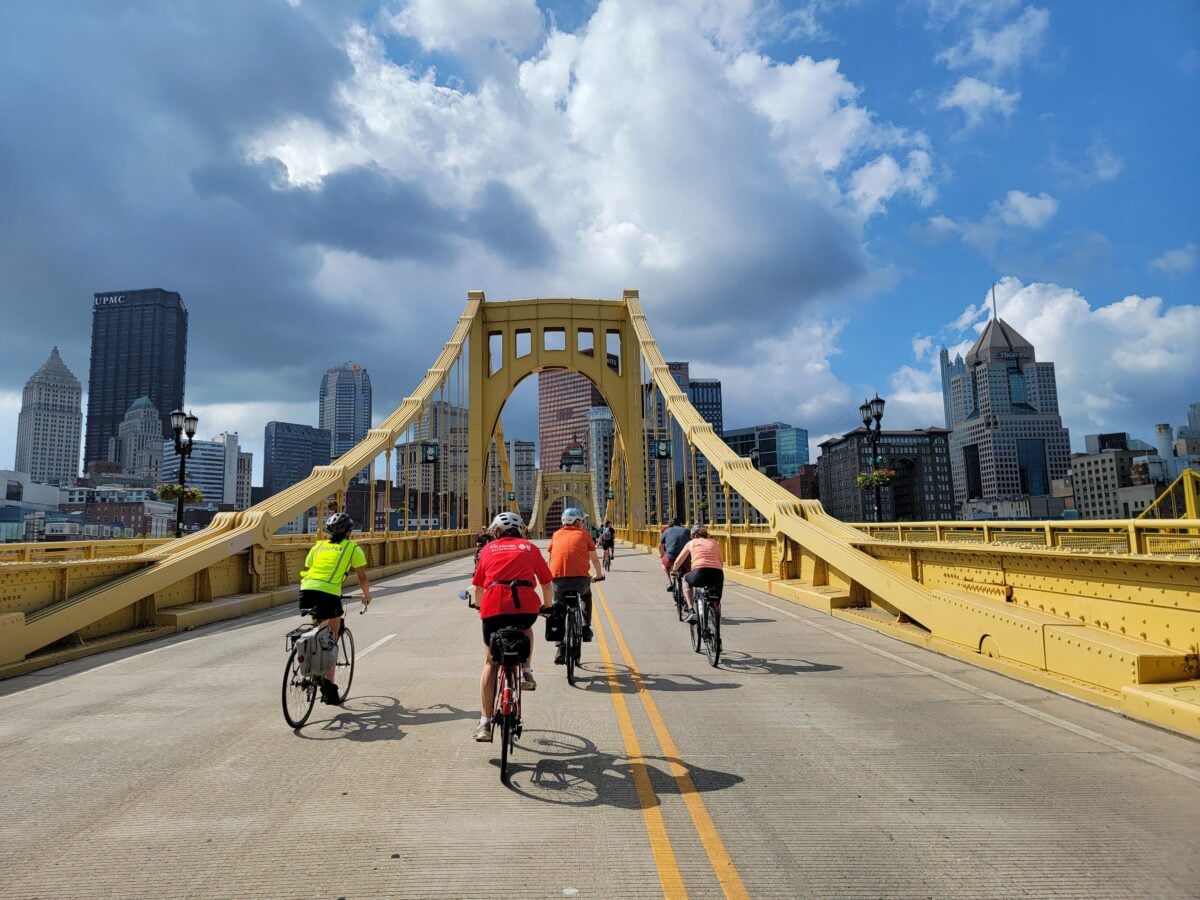
The previous point likely speaks to another issue that plagues Pittsburgh- the city (and state, for that matter) is slow to change and always has one person crying “not in my backyard” for any possible positive improvement.
Turning the business core of Penn Avenue in the Strip District into a pedestrian walking zone? It seems like someone will always complain to try to preserve a few parking spots that are never available to begin with (don't even get me started on how many pedestrians dangerously jaywalk right in front of moving vehicles on that street, either).
More locations for food trucks or even those food boats we dreamt of in the previous point? We've heard many secondhand stories about how some restaurants complain about it not being fair, as mobile vendors could hypothetically “take away business.” Apparently that new brick-and-mortar restaurant next door is fine, but if it has wheels or floats, it's an existential threat.
Expanding Open Streets to be monthly instead of only twice a year? It certainly is a public service that gets thousands of people outside and spending money at local businesses.
Legalizing a certain green herb statewide? Even Ohio has us beat there. Ohio! In what universe should Ohio beat Pennsylvania in anything? None.
Now, I'm not delusional in that grand ideas will be accepted with open arms by everyone. But when the options are “hey, can we do some progress and meet in the middle over concerns,” and the answer is “nope, it has to stay this way because reasons,” that's a real shame- especially when those luxury condos seem to skirt right on by without a care in the world.
The State Liquor System
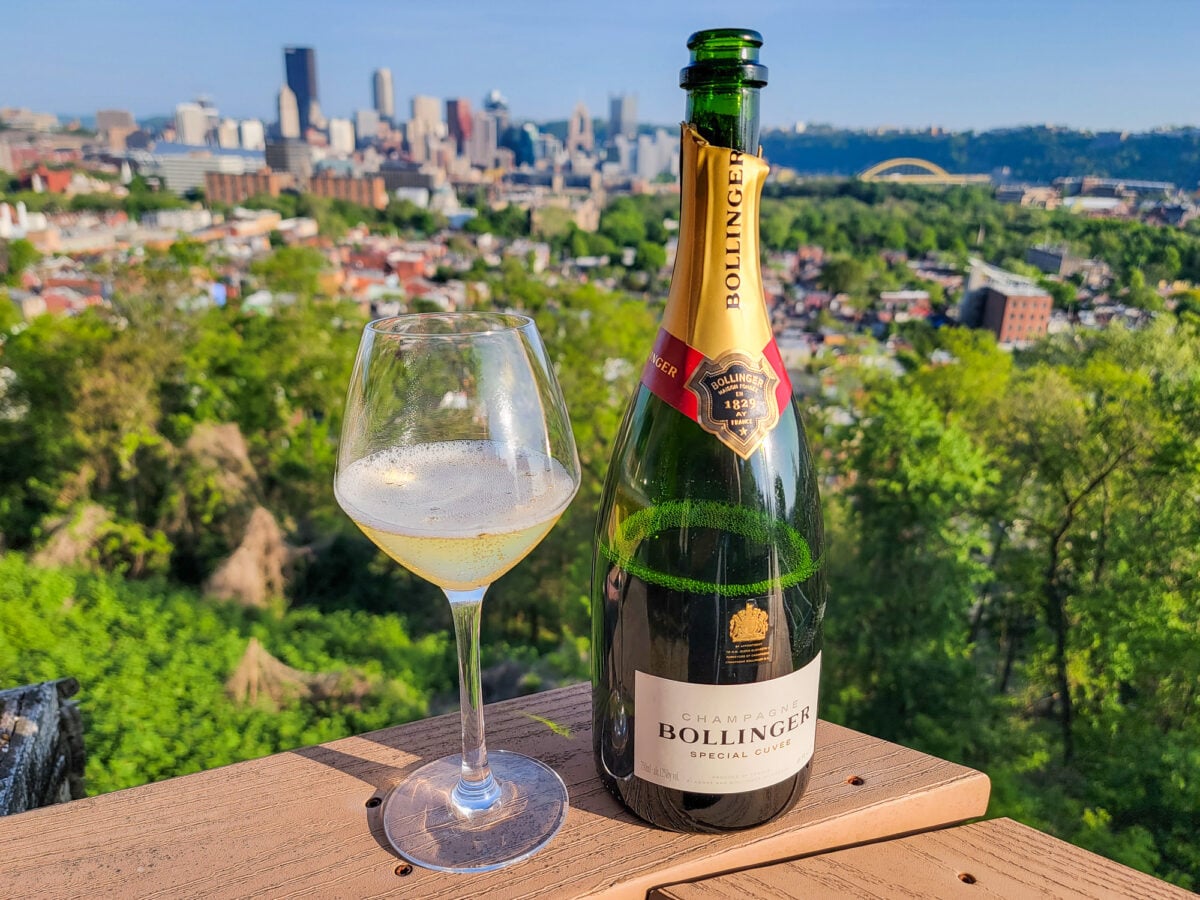
Speaking of slow to change, let's talk about the archaic liquor system in Pennsylvania because everything about this one warrants its own section.
We hear time and time again from new residents and visitors who are shocked that the state runs liquor stores, and it was only very recently that more businesses were even allowed to sell beer and wine, with a wide array of restrictions placed on top (like having to check out at a separate register at a grocery store- which is seemingly changing now too). We can even remember a time when distilleries weren't even allowed to sell on-site at all- that only changed in 2011 after significant efforts by the former owners of Wigle Whiskey.
Much like everything, yes, we get that alcohol should be regulated for its health hazards. But also, Pennsylvania is fairly extreme as far as state laws are concerned. (Heck, it is even astronomically expensive for someone who wants to get a liquor license for their bar or restaurant- goodbye profit, hello expensive financing that could kill their business.)
Meanwhile, pop one state over, and you can buy a bottle of wine at a coffee shop or Aldi where it is treated like the food product it very much is.
- That said, one part we do like is that Pittsburgh breweries and distilleries who produce their own alcohol get a license to use/sell other PA-made spirits. Although we wish that they could just have a regular license to carry whatever spirits they wish, that is at least something that has improved in recent years.
Diversity is Lacking
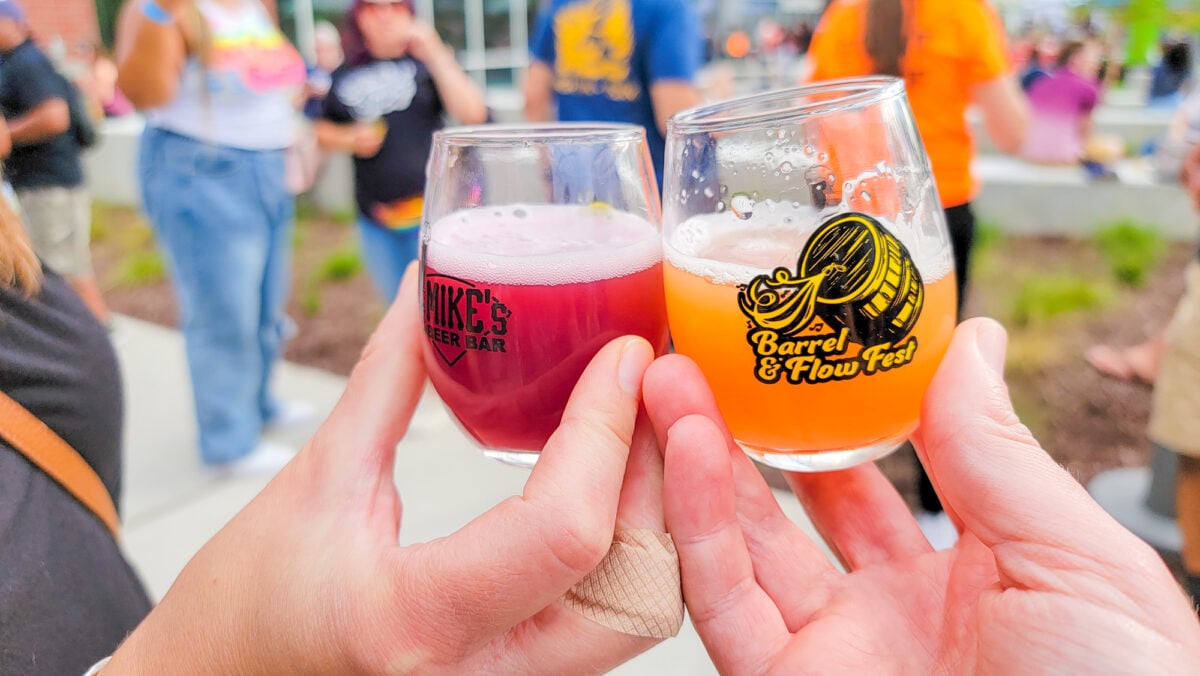
Another issue in Pittsburgh is that diversity is sometimes a foreign word here. Drive ten minutes out of the city, and it is even more so.
This is improving with each passing year, of course, and Pittsburgh is getting more residents, students, and visitors from all walks of life and every corner of the globe. But on the flip side, go to other major cities, and you can easily see that our local demographic is seriously lacking in the diversity department.
Even within the communities we do have, the former practices of redlining (from generations long past) make Pittsburgh feel highly segregated as well, and that's a real shame. The effects of this are still being felt to this very day.
Not only is this reflected in our population, but it is also true in our businesses. While we may have some representation from unique cultures and walks of life in, say, our restaurant scene, we can rattle off many examples where a specific culture may be, at best, available from just one business when there otherwise should be many.
In this regard, the city still has a long way to go.
A Lack of Jobs for Graduating College Students
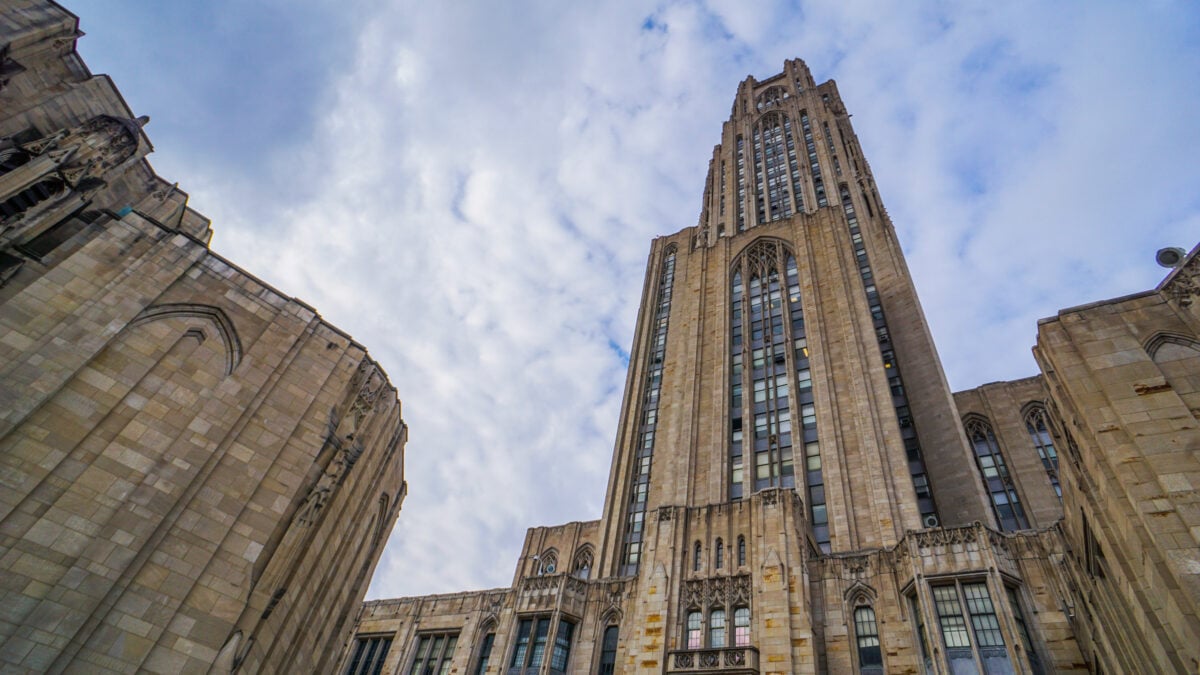
Finally, one thing we hear time and time again from students is that Pittsburgh's job market for graduates is lackluster at best outside of a few key industries.
So many students come to Pittsburgh for one, two, four, or even five-plus years to study, fall in love with the city, and graduate only to find there are no local jobs available for their particular field.
It happened to Angie for a while after grad school, too.
It is a recurring complaint we hear from graduating students that they would stay here if they could, but the job market reluctantly takes them elsewhere. This is highly specific to select fields, of course, but it is still a sign that Pittsburgh's local job market could be better.
If the city truly wants to grow its population, we can quickly do so by doing what it takes to keep graduating students in the city as best as possible, be it more jobs in their industries, better wages, and, of course, affordable housing to go along with it.
We are quite lucky to have found work in the city despite our respective fields after we graduated (even with a bit of extra effort and a deliberate career shift to make that work), and no student in Pittsburgh should have to wave goodbye to such a wonderful place because of a lack of opportunity.
Okay, that's it- curmudgeon hat off!
To end this one, we need to reiterate that we love this city. As mentioned in the introduction, we wouldn't be here doing what we do if we didn't. But the above are very real issues that new residents likely will see when moving here. You may find them to be minor problems. You could find them to be major problems. Heck, you may not even care about any of this, either- and that's quite alright.
But for us, the only problem is not mentioning them at all, where we will add the all-important caveat one more time- most of these are getting better as time goes on.
Now that you read our dislikes, be sure to read what we love about Pittsburgh This article is a follow-up to 10 reasons we love living in Pittsburgh, and we highly recommend reading both!
Looking for a real estate agent in Pittsburgh Get in touch with our partnered agents at the previous link!
Lack of “diversity” is a problem for you? Just watch the news and you’ll quickly see the results of “diversity.” Maybe Pittsburgh isn’t for you after all.
I feel sorry for you if you live your life in fear over whatever your preferred “news” station says. If that’s the case, you may just want to stay at home.